Torn between Naperville and another western suburb? You are not alone. Many buyers and renters use Naperville as a benchmark because of its schools, downtown energy, parks, and Metra access. In this guide, you will compare schools, commute times, housing styles, price ranges, and lifestyle so you can pick the suburb that truly fits how you live. Let’s dive in.
Start with your must-haves
Before you compare towns, get clear on your non-negotiables. Do you want a short rail commute, a quiet street, or a lively downtown near restaurants and shops? Are schools and parks at the top of your list, or is lot size and privacy more important? Set your budget, your desired home type, and your daily rhythm so you can weigh tradeoffs with confidence.
Schools: what to compare
Naperville’s public schools fall mainly within District 203 and District 204. Both districts are widely regarded for strong academics and well-supported programs. Nearby suburbs also offer respected districts, although boundaries can cut across neighborhoods.
District lines and options
- Naperville: District 203 and Indian Prairie District 204 serve most local schools. Boundaries can vary by neighborhood, so verify the exact address-to-school match.
- Wheaton: Primarily District 200, with a strong academic reputation.
- Downers Grove: District 58 for elementary schools and District 99 for high schools, generally well-ranked.
- Lisle: Smaller districts and proximity to private options.
- Aurora: Multiple districts with mixed performance, including areas served by Indian Prairie District 204.
Check current Illinois State Report Card results, district boundary maps, enrollment trends, and any open-enrollment or choice programs. If private or parochial schools are part of your plan, map those commutes too.
Taxes and school funding
School quality and property taxes are often linked through local levies. Two similar homes in neighboring areas can carry different tax bills based on district funding. Compare recent tax bills for any home you are considering and factor that into your monthly budget.
Commute and connectivity
Reliable access to Chicago and suburban job centers can be the deciding factor. Naperville offers frequent Metra service on the BNSF Railway Line, plus strong expressway access.
Metra lines and times
- Naperville, Downers Grove, and Lisle: Served by the BNSF line with frequent peak service. Express trains to downtown Chicago typically run about 30 to 45 minutes depending on stops.
- Wheaton and Glen Ellyn: Served by the UP-West line, with trip times that can be slightly longer depending on the schedule and destination station.
- Aurora: A BNSF terminus, which can simplify boarding and parking for some commuters.
Compare express versus local trains, parking availability and cost, and your destination station. Schedules shift by season and demand, so review current timetables before you decide.
Driving patterns
Major routes include I-88, I-355, Route 59, and Ogden Avenue. Rush-hour congestion is common, and travel times to the Loop or O’Hare can swing from 30 to 90 minutes based on traffic and starting point. If you work in a suburban office cluster such as Oak Brook or Schaumburg, check reverse-commute times from each town on the days and hours you plan to travel.
Housing styles and lot sizes
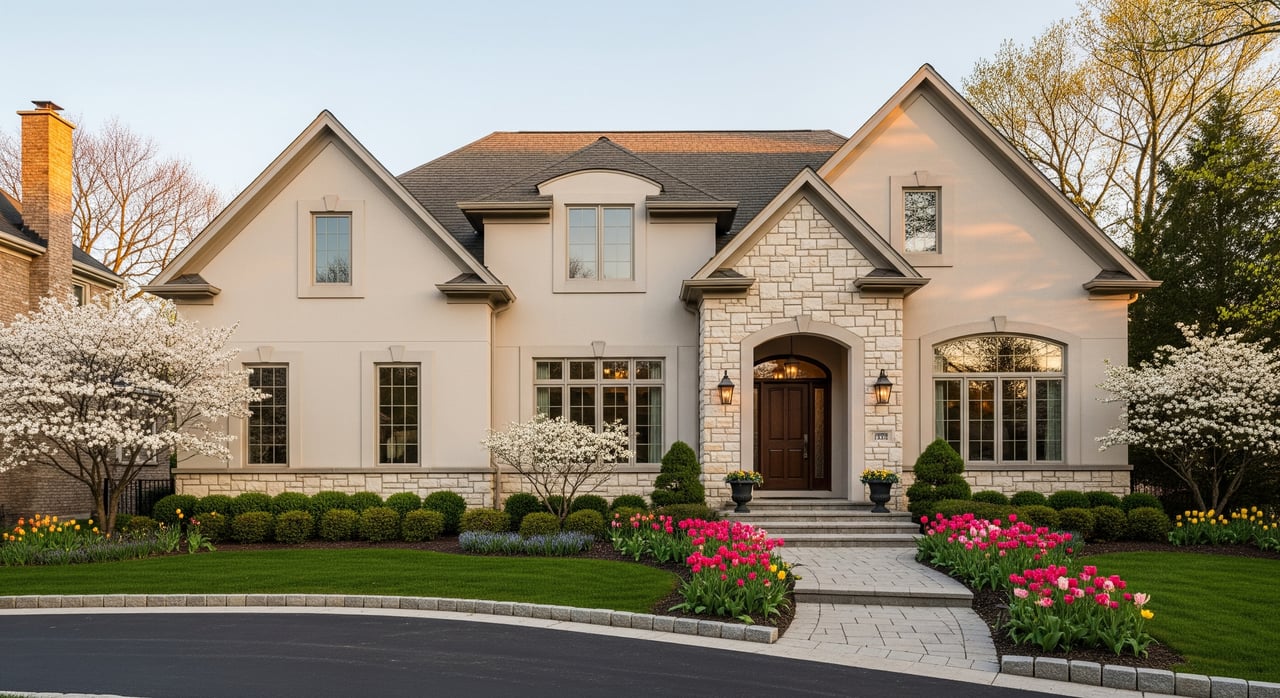
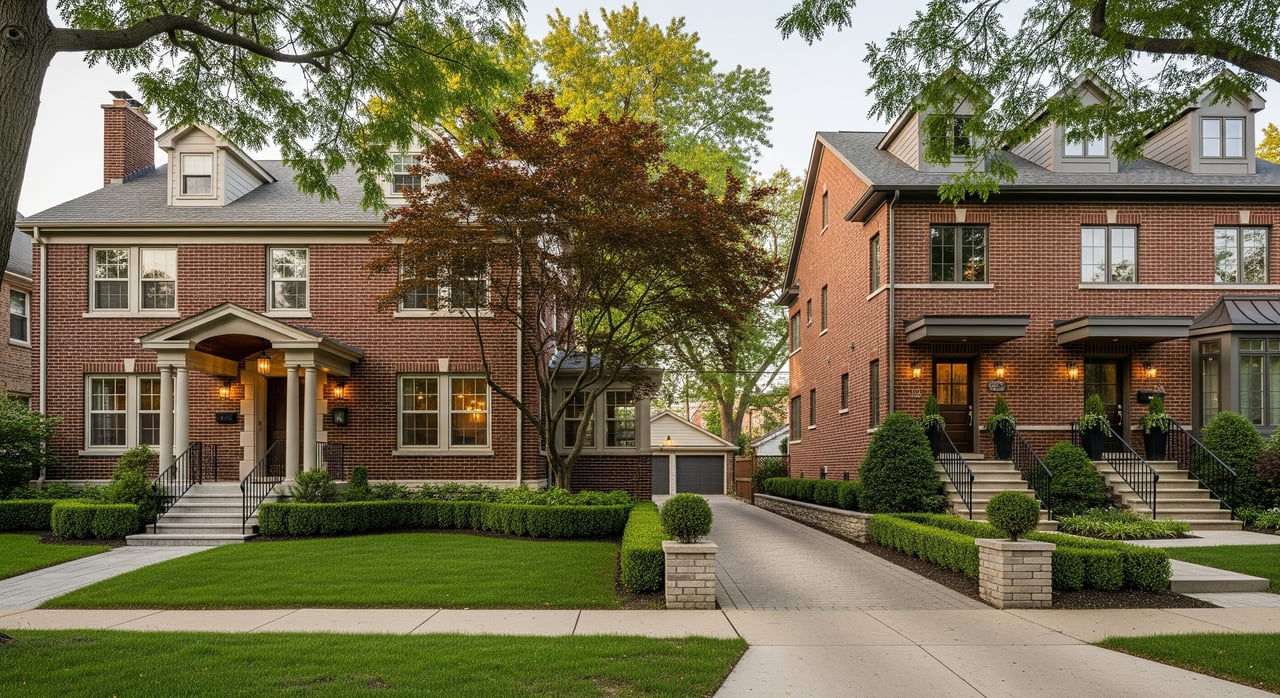
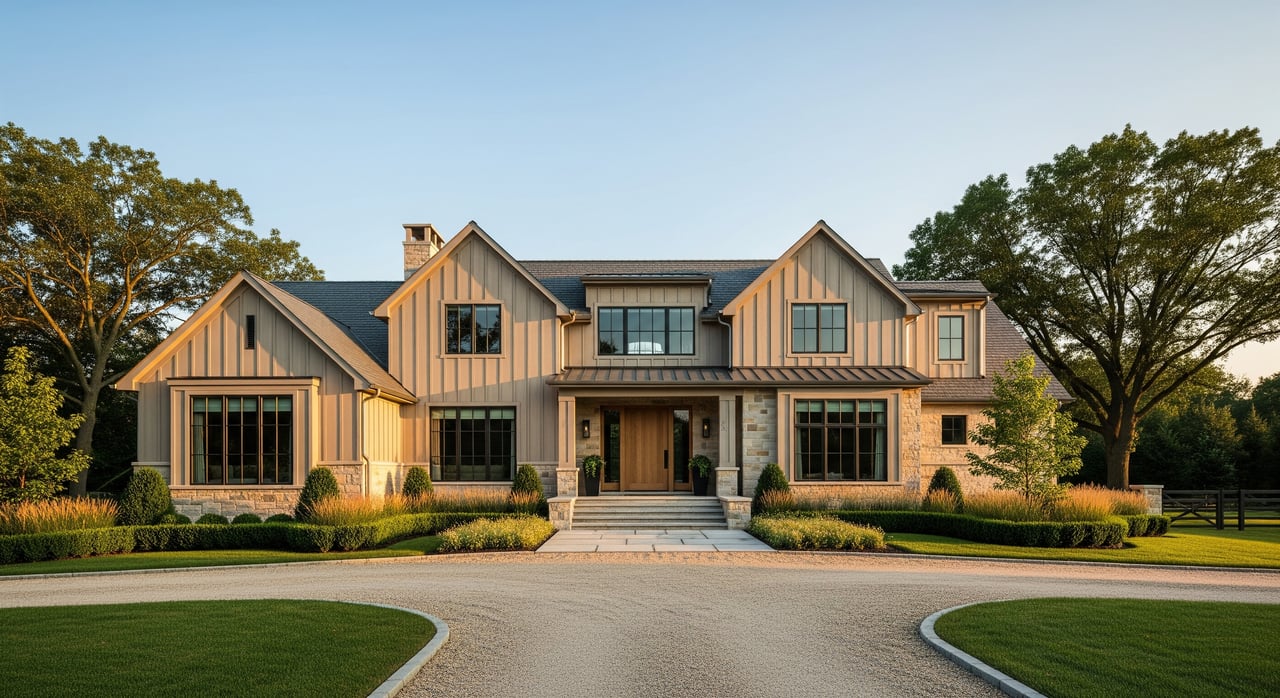
Naperville offers a wide mix: historic bungalows and cottages near downtown, mid-century ranches and split-levels, 1990s to 2010s subdivisions, new luxury construction, and an expanding selection of townhomes and condos near the core. Lot sizes vary from compact walk-to-town parcels to larger cul-de-sac sites in newer subdivisions.
Nearby suburbs show distinct patterns:
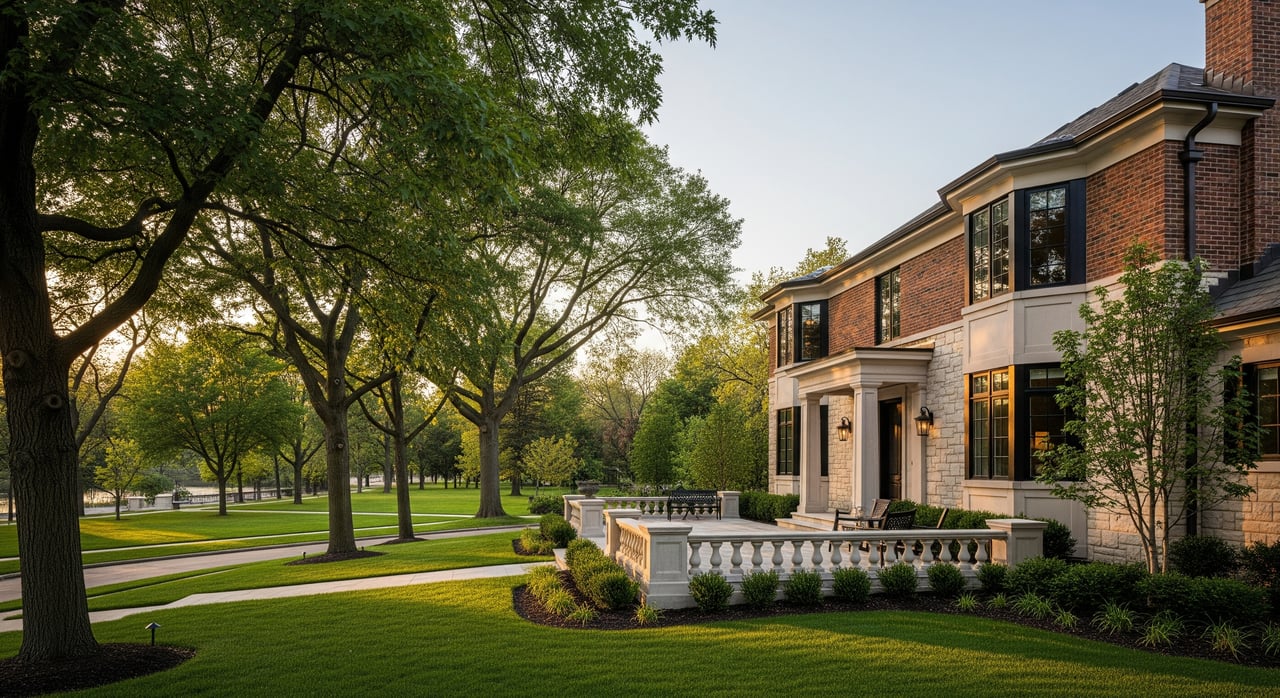
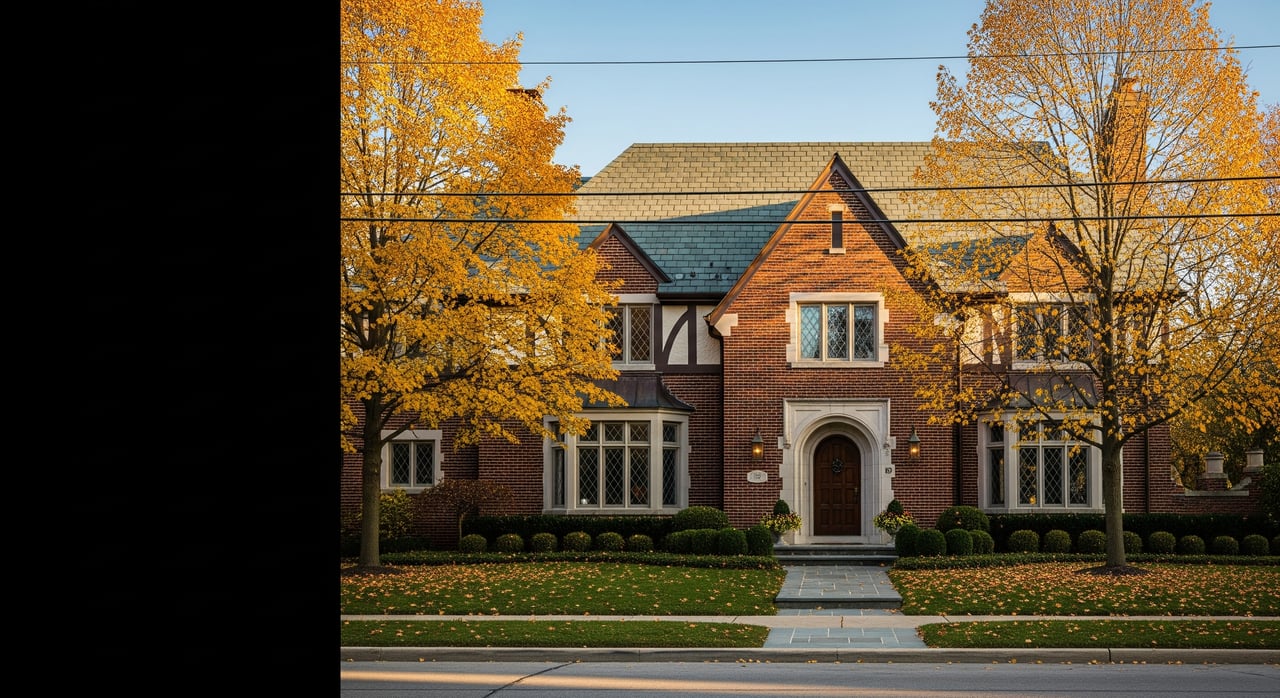
- Wheaton and Glen Ellyn: Many historic homes with Tudor and Colonial revival styles in mature neighborhoods.
- Downers Grove and Lisle: A blend of mid-century homes and newer builds, with traditional single-family subdivisions.
- Aurora and Bolingbrook: Broad range from starter homes and apartments to master-planned communities and higher-end pockets near the Fox River.
- Hinsdale and Oak Brook: Larger estate-style lots and higher average price per square foot.
If low-maintenance living is your goal, look at townhomes and condos near Metra stations and downtowns. Infill and transit-oriented development continues to add options close to shops and dining.
Price ranges and property taxes
Naperville typically sits in an upper-middle price tier among western suburbs. Smaller or older homes can land in the mid $300Ks depending on the market cycle, while new or luxury homes and select riverfront properties can reach beyond $1 million. Prices vary widely by neighborhood, age, and condition.
Nearby suburbs span a large range. Some areas of Aurora and Plainfield can offer lower entry points, while Hinsdale and Oak Brook are often higher. Property tax bills in Illinois are among the highest nationally, and they depend on assessed value, local rates, and school levies. Always compare recent tax bills for similar homes across your finalist towns.
Downtown lifestyle and walkability
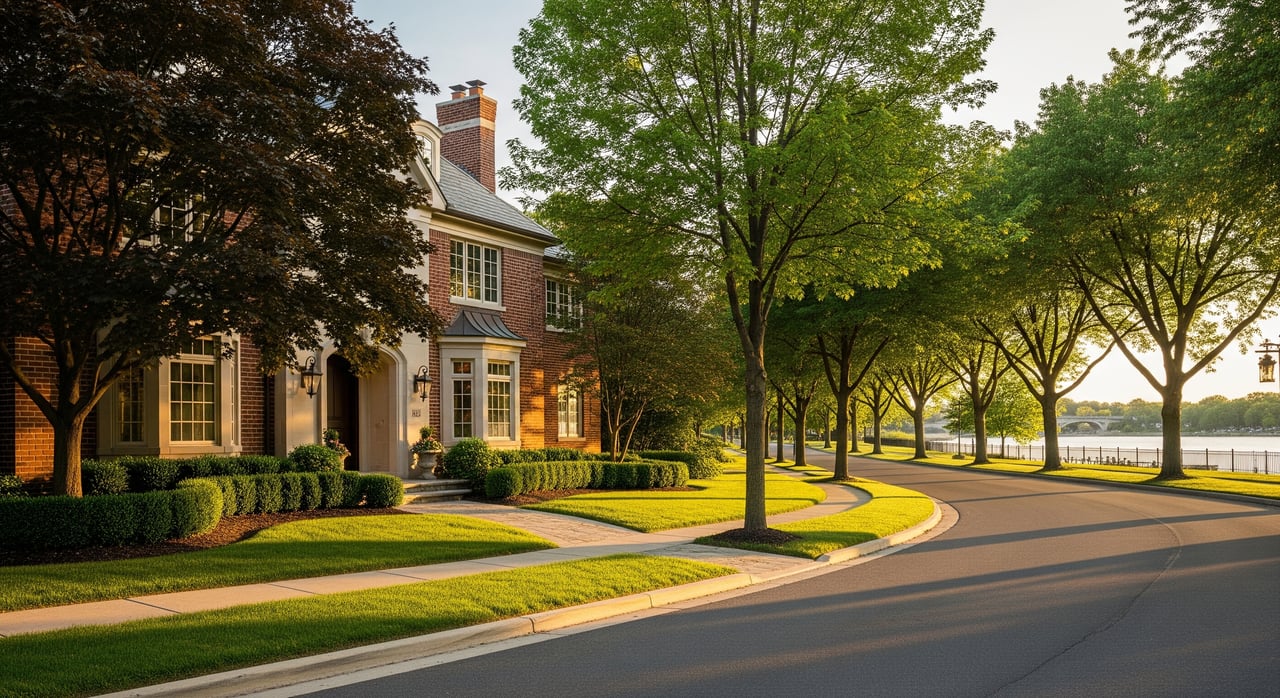
Naperville’s downtown is a regional draw. The Riverwalk provides a scenic, walkable link to restaurants, shops, and community events. Seasonal attractions like Centennial Beach and the Naper Settlement museum add to the appeal.
Other downtowns deliver their own vibe:
- Wheaton and Glen Ellyn: Charming main streets with local shops and a smaller, relaxed feel.
- Downers Grove: A lively town center anchored by the commuter station, with dining and retail.
- Aurora: A larger urban core with riverfront redevelopment, theater districts, and events at RiverEdge Park.
If you want a high-energy weekend scene and frequent events, a home near downtown Naperville may suit you. If you prefer a quieter pace, a smaller downtown may feel just right.
Parks, trails, and recreation
Naperville’s park district is extensive, with programming for many ages, plus trails, playgrounds, and recreation centers. The Riverwalk, community pools, and nature areas help shape an active outdoor lifestyle.
Nearby options are strong as well. Wheaton features Cantigny Park and conservation areas. Lisle and surrounding communities have excellent access to forest preserves. Along the Fox River in Aurora, you will find trails, large parks, and seasonal programming. Match the park network to how you actually spend your time outside.
Safety and quality of life
Naperville is often reported as lower-crime than national averages, though levels vary by neighborhood and type. Other suburbs range from very low to higher in certain areas. For the most accurate picture, review local police reports and community dashboards for the addresses you are considering. Also account for factors like noise, stormwater or flood history near rivers, and HOA rules that may affect daily life.
Which suburb fits these buyer profiles?
- Young professional or commuter: You may favor a Naperville or Downers Grove condo or townhome near Metra for quick access to the city and an active evening scene.
- Growing family: A single-family home in Naperville within District 203 or 204, or in Wheaton’s District 200 or Downers Grove’s District 58 and 99, can balance schools, parks, and community programs.
- Value-focused buyer: Consider parts of Aurora or neighboring communities that offer lower entry prices while still providing rail or highway access.
- Luxury and space seeker: Naperville’s newer subdivisions and custom builds, as well as Hinsdale and Oak Brook, offer larger lots and high-end finishes. Compare taxes, commute patterns, and neighborhood character.
A quick-glance comparison
- Schools: Naperville’s District 203 and 204 are widely regarded. Wheaton’s District 200 and Downers Grove’s District 58 and 99 are also strong. Some Aurora areas share Indian Prairie 204; performance varies by district.
- Commute: Naperville, Downers Grove, and Lisle ride the BNSF to Chicago, often 30 to 45 minutes on express trains. Wheaton and Glen Ellyn use the UP-West line with slightly different trip times.
- Homes: Naperville spans historic bungalows to new luxury builds, plus downtown condos. Wheaton and Glen Ellyn skew historic. Aurora offers range from starter to upscale near the river. Hinsdale and Oak Brook typically command premium pricing.
- Downtown: Naperville’s downtown is large and eventful. Nearby town centers are smaller, often charming and less busy.
- Taxes: Illinois property taxes are high statewide. Bills vary by municipality and school district, so compare actual tax records for each home.
How to decide with confidence
Use a simple, step-by-step approach:
- Define must-haves and nice-to-haves. List school needs, commute targets, home type, and budget.
- Map districts and commutes. Verify your address-to-school path and test your morning and evening travel times.
- Tour different home styles. Compare renovated older homes near downtowns with newer builds in subdivisions.
- Check price and tax spread. Review recent comparable sales and current tax bills for each finalist town.
- Spend time on the ground. Visit weekend events, walk the downtowns, explore parks, and shop where you would shop.
- Get local guidance. A neighborhood-focused team can share nuance you do not see online and coordinate tours that match your priorities.
When you match your lifestyle to the right school options, commute, and home type, your choice between Naperville and its neighbors becomes much clearer.
Ready to outline a short list tailored to you, compare real comps, and confirm taxes and travel times? Connect with the local experts at The Jan Mackey Group for a custom suburb and neighborhood plan.
FAQs
How do Naperville’s commute times compare to Wheaton and Downers Grove?
- Naperville and Downers Grove ride the BNSF line with express trains often 30 to 45 minutes to downtown Chicago, while Wheaton uses the UP-West line with trip times that can be slightly longer depending on the schedule.
What school districts serve Naperville and nearby suburbs?
- Naperville is primarily District 203 and Indian Prairie District 204; Wheaton is District 200; Downers Grove is District 58 and 99; parts of Aurora include multiple districts, some within Indian Prairie 204.
Are homes generally more expensive in Naperville than in Aurora or Plainfield?
- Naperville often sits in an upper-middle price tier with a broad range, while certain areas of Aurora and Plainfield can provide lower entry points for similar home sizes.
How do property taxes differ among Naperville and its neighbors?
- Illinois has high property taxes statewide, and bills vary by municipality and school district; two similar homes in nearby towns can have different tax bills due to local rates and school levies.
What downtown experience should I expect in Naperville versus smaller suburbs?
- Naperville offers a larger, eventful downtown anchored by the Riverwalk, while Wheaton, Glen Ellyn, and Downers Grove provide smaller, charming centers with a quieter pace.
Which suburbs offer more historic homes versus newer builds?
- Wheaton and Glen Ellyn feature many historic homes in mature neighborhoods, while Naperville, Downers Grove, and Lisle offer a mix, and Aurora includes both older areas and master-planned communities.