Preparing Your Naperville Home For A Standout Sale
February 19, 2026
February 19, 2026
Thinking about listing your Naperville home and wondering how to make it stand out? You want a smooth sale, strong offers, and a timeline that works for your move. This guide gives you a clear, local plan: what today’s buyers expect, which fixes pay off, what to disclose, and how to stage and market for maximum impact. Let’s dive in.
Naperville remains competitive, with pricing and pace that vary by neighborhood and price point. According to Redfin data, the median sale price was near $607,500 as of Jan 2026, with typical days on market stretching into the multiple‑week range. That means first impressions, pricing precision, and listing timing matter.
Micro‑markets differ across the city. Older central pockets near downtown, established post‑1970 subdivisions, and newer developments near the Route 59 corridor draw different buyers and expectations. When you set strategy, anchor on a neighborhood‑level CMA and nearby comps, not just citywide medians.
Naperville buyers often prioritize practical lifestyle benefits. Many searches focus on school district boundaries such as Naperville Community Unit School District 203 and Indian Prairie School District 204. You can reference district information from Naperville 203 in your listing materials.
Commuters value proximity to the Metra BNSF Line and easy access to downtown amenities. Highlight the Riverwalk, parks, and community programming through resources like the Naperville Park District. Clear, factual details about access, amenities, and recent home improvements help buyers connect with your home quickly.
Illinois requires a residential real property disclosure report that covers known material defects. The state updated the seller disclosure rules on Aug 4, 2023. Review the update and use the correct form with your agent or attorney, as outlined by Illinois REALTORS. For an overview of Illinois disclosure duties, see this plain‑English summary from Nolo.
If your home was built before 1978, federal lead‑based paint rules apply. You must provide the EPA/HUD pamphlet, disclose known lead information, include a Lead Warning Statement in the contract, and give buyers a 10‑day opportunity to conduct a lead inspection unless waived. Review the requirements on the EPA’s lead disclosure page.
A voluntary pre‑listing inspection can surface fixable issues, support pricing, and lower the risk of last‑minute renegotiations, especially in older homes. Learn about benefits and planning from HomeLight’s guide to inspections and appraisals. Keep in mind: if you learn about defects, you may need to disclose them, so decide up front which items you will repair and which you will disclose.
Typical general home inspection fees often fall around $300 to $600 depending on size and add‑ons. Use local quotes for exact pricing and scheduling.
Naperville requires permits for many exterior and structural projects, including additions, decks, porches, generators, and major plumbing or electrical work. Cosmetic items such as interior painting and standard trim are usually exempt. Confirm requirements and timelines through the City’s Permits and Civic Access portal. Build permit lead times into your plan so your move date stays on track.
Address health, safety, and code issues first. Tackle items that can derail financing or reduce buyer confidence, such as active leaks, roof problems, water intrusion, or deferred HVAC maintenance. Keep records of service dates and warranties to strengthen your listing package and appraisal support.
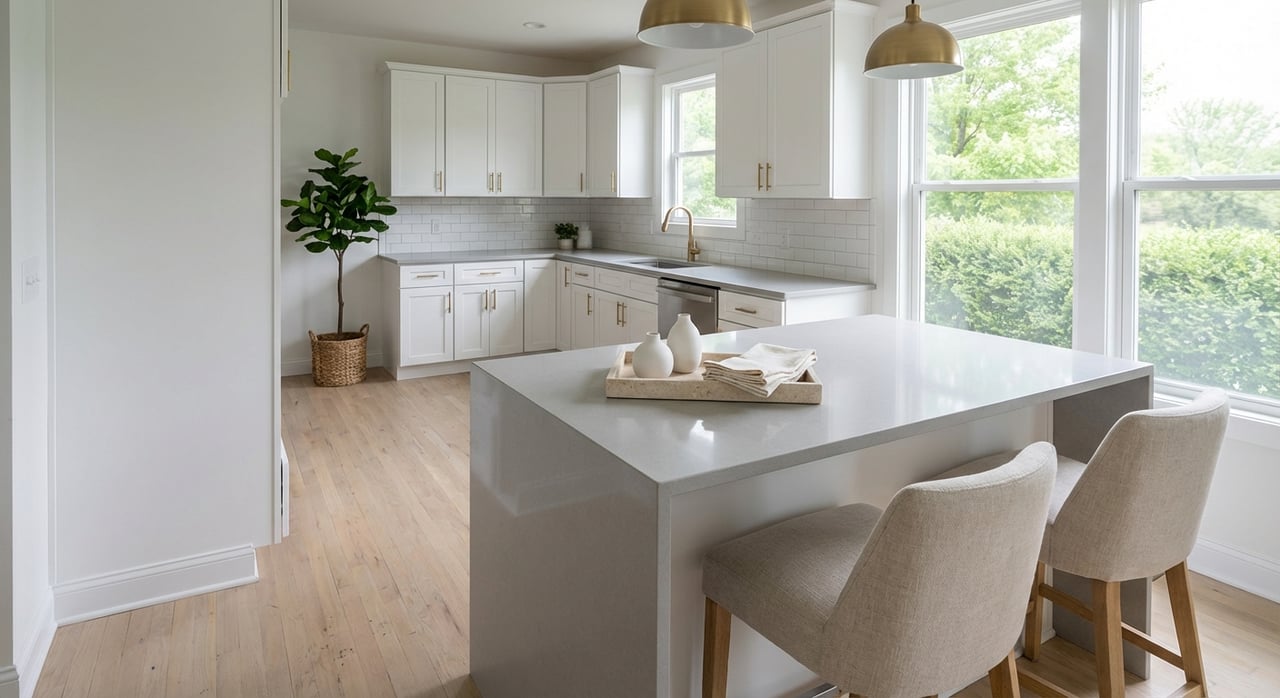
Exterior and curb‑appeal projects deliver some of the strongest resale value on average, according to Remodeling Magazine’s Cost vs. Value analysis. National and regional data show consistent cost recoup percentages for upgrades like garage‑door replacement, a new steel entry door, manufactured stone veneer accents, fiber‑cement siding, and a minor midrange kitchen remodel. Review the latest comparisons at Cost vs. Value, then tailor choices to your neighborhood norms.
Smaller updates can also punch above their weight: fresh neutral paint, new lighting and hardware, deep cleaning, pressure washing, and modest landscaping. These are fast, visible improvements that help photos pop and improve first impressions at the curb and front door.
Large additions, high‑end custom overhauls, or ultra‑personalized finishes often recoup a lower percentage of cost at resale. Stay within the appraisal ceiling for your submarket. Before green‑lighting big projects, ask your agent for a neighborhood‑specific CMA and use Cost vs. Value benchmarks as a reality check.
Professional presentation changes how buyers experience your home online and in person. In the National Association of REALTORS 2023 Profile of Home Staging, 81% of buyers’ agents said staging made it easier for buyers to visualize a property as a future home. About 48% of sellers’ agents reported reduced time on market, and roughly 20% saw offers 1–5% higher on similar homes. Median reported spend was about $600 with a staging service, or $400 when staged by a seller’s agent. Review the highlights in NAR’s report here.
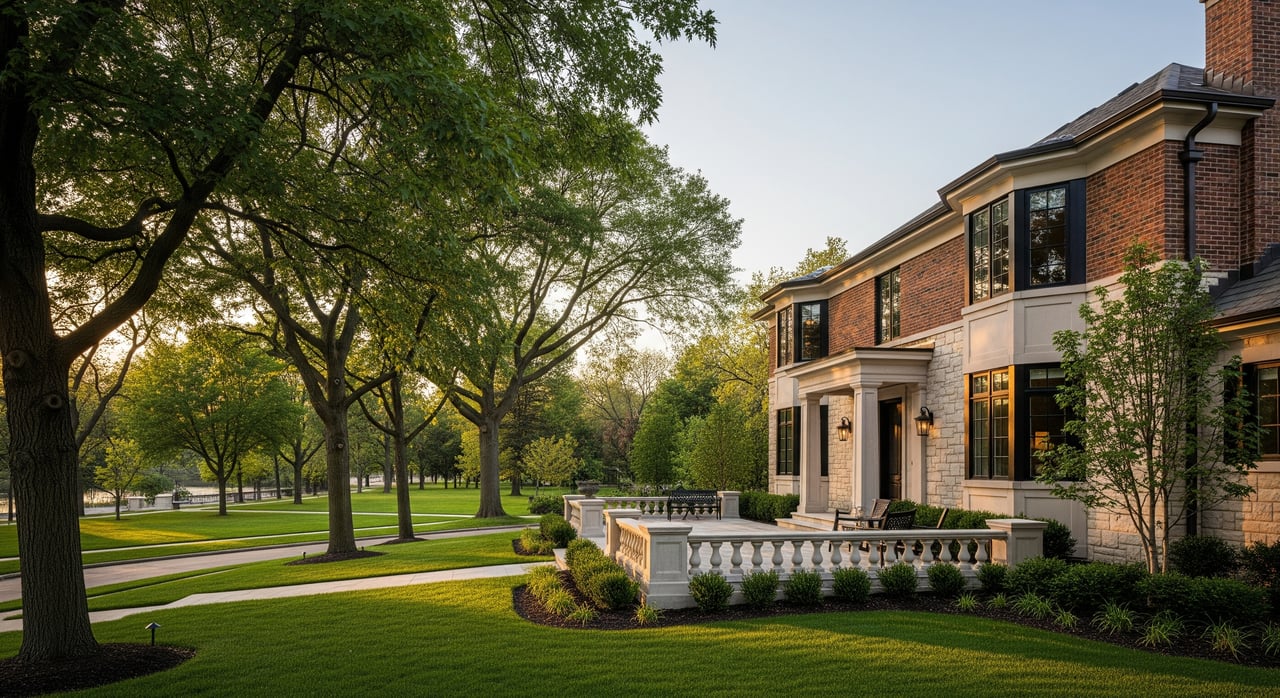
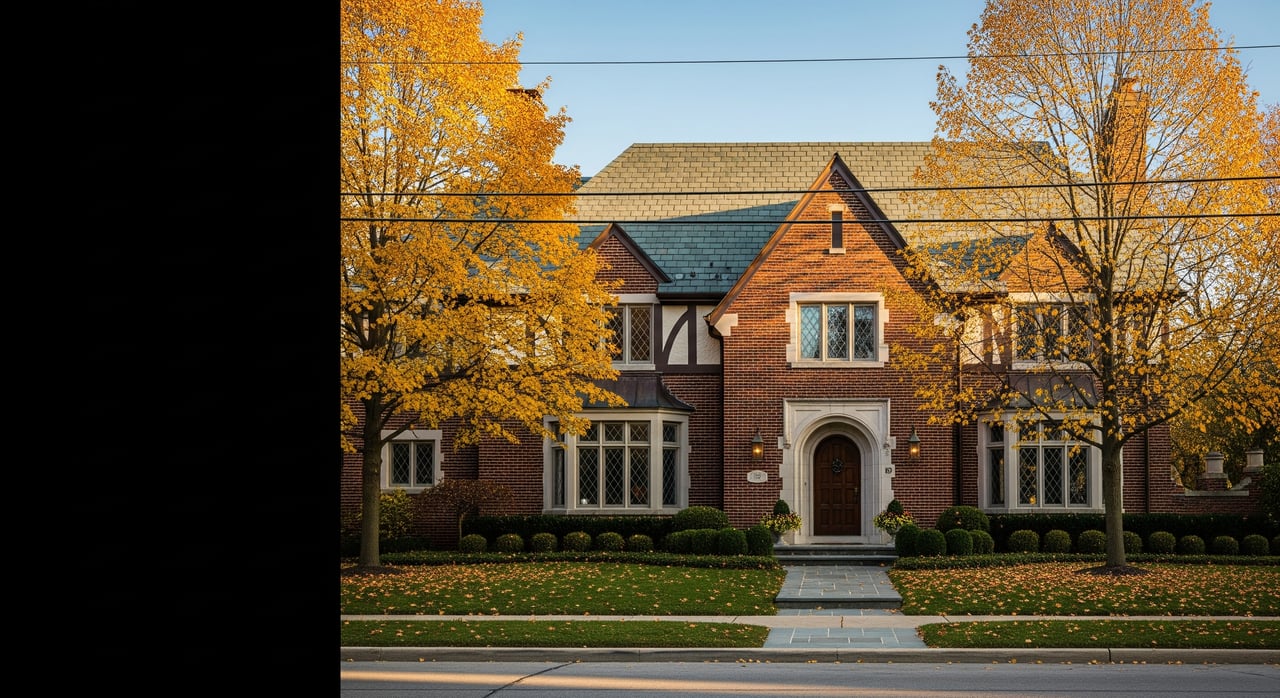
Focus on the spaces that anchor decisions: living room, kitchen, and primary bedroom. In suburban markets like Naperville, curb appeal is also critical. Make sure the front door looks fresh, the lawn is tidy, and hardscapes are clean. Keep decor neutral and clutter‑free so buyers can see scale, storage, and flow.
Buyers expect high‑quality visuals. Plan for professional daytime photos of key rooms, wide‑angle shots that show layout, a twilight exterior for curb appeal, and a 3D tour or floor plan for long‑distance shoppers. If you use virtual staging, disclose it clearly in the listing. For sequencing, schedule photos after staging and any major fixes, and align with seasonal curb appeal where possible, as supported in the NAR staging report.
Weeks 6–10
Weeks 4–6
Weeks 1–3
Launch week
If your home is in solid condition and you want to move fast, focus your time and dollars here:
Timeline: 2–4 weeks, assuming no major repairs.
If you have a bit more time and want to push for top‑tier presentation, consider these higher‑impact moves supported by Cost vs. Value trends:
Timeline: 4–8 weeks depending on contractor availability and permit needs.
Lead with the three most valuable facts about your property. That might be recent updates with dates, yard or lot advantages, and location details like proximity to the Metra BNSF Line or a short trip to the Riverwalk. If school assignment zones are part of a buyer’s search, name the district factually and provide resource links rather than subjective statements.
Back up claims with specifics. Note the year of your roof replacement, service dates on HVAC, and any transferable warranties. Mention storage features, functional layout, and flexible spaces that support work or hobbies. Keep copy concise and clear so buyers take in the highlights quickly.
Ready to position your home for a standout sale in Naperville? Partner with a local team that pairs premium marketing with deep neighborhood expertise. Connect with The Jan Mackey Group to Request a Free Home Valuation and a tailored prep plan that fits your goals and timeline.
We pride ourselves in providing personalized solutions that bring our clients closer to their dream properties and enhance their long-term wealth. Contact us today to find out how we can be of assistance to you!